The Macallan
£2.19 million a bottle. A single malt that bet everything on the sherry cask.
Search for The Macallan and the first thing you'll see isn't a tasting note — it's an auction result. To understand this brand, you have to look at how its price is built as much as how it tastes. It comes down to the casks. Sherry-seasoned oak from Jerez exists in limited numbers, and Macallan commissions and ships its own. A single cask can cost more than the spirit that fills it, so the all-sherry identity is also a cost structure.
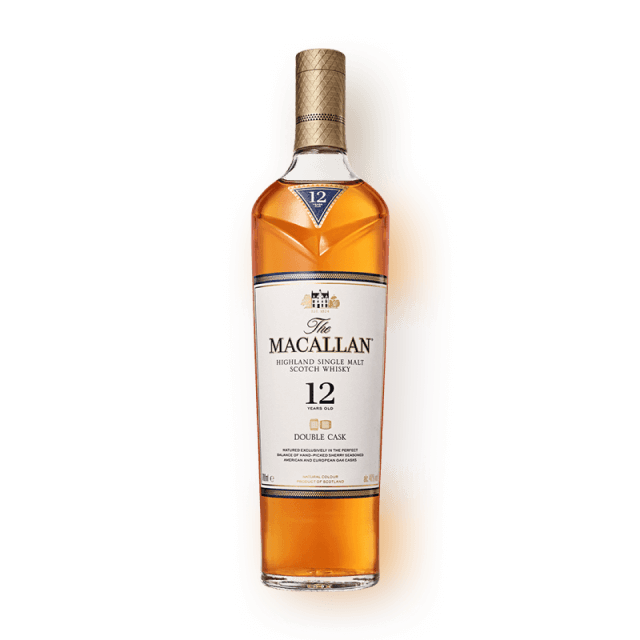
When sherry casks ran short in 2004, Macallan released the bourbon-influenced "Fine Oak" range and drew a backlash from purists. Today's Double Cask and Triple Cask are descendants of that same problem: insist on sherry alone and you can't make enough, and the price climbs. The tug-of-war over cask supply is baked into the 12-year bottle you see on the shelf.
Macallan-as-investment and Macallan-as-a-drink are really two different stories. The headlines about a 1926 vintage selling for millions belong to a tiny world of collectors. For most people, Macallan is an approachable premium — its sherry sweetness lands easily even on a first-time whisky drinker. A glass of the 12 or the Double Cask is enough to see why it earns the "sherry bomb" name.
One thing worth knowing before you pay up: age and satisfaction don't move in lockstep. The gap between the 18 and the 25 is more about scarcity than flavour. If you're starting out, the 12 is the sensible place to find out whether sherry is your thing at all.
The 1926 vintage was bottled with labels by the artists Valerio Adami and Sir Peter Blake; other 1926 labels have changed hands around the £1 million mark. The Macallan sits consistently at the top of whisky auction indices such as Rare Whisky 101.
Prices are approximate retail / duty-free · Auction — Sotheby's / CNN (Nov 2023) · Not a personal tasting score
Where most whisky matures in ex-bourbon casks (American oak), The Macallan stakes its identity on sherry wood. The flagship Sherry Oak is led by European oak (dried fruit, spice); the Double Cask adds American oak (vanilla, sweetness) for balance. The result is the reference point for the dark, heavy sweetness known as the 'sherry bomb'.
Founded in 1824 by Alexander Reid on the Easter Elchies estate in Craigellachie, Speyside — one of the early distilleries licensed as Scotland legalised its stills. In 2018 a £140 million new distillery opened, its curved roof set into the hillside — a statement of the capital behind the name.
The Macallan trades on status as much as flavour. Across Asia — China, Hong Kong, Taiwan — it is a symbol of success and gifting, and Asian collectors drive much of the demand behind its record prices. In the US and UK it is the prestige single malt even casual drinkers recognise by name, its rich sherry sweetness reading as approachable for a first whisky. Among enthusiasts the camp splits between those who love the sherry bomb and those who find it too heavy and head for Islay peat.
Heavy, oily and dense with sherry sweetness, it rewards a tulip glass that gathers the aroma — a copita or a Glencairn — while a thick tumbler over ice just closes the nose. Most bottlings are 40–43%, so water is rarely needed; with a high-strength Rare Cask, a single drop opens it. Hold it by the base, and cup the bowl to warm it if the nose stays shut.
Sources · Auction — Sotheby's / CNN (Nov 2023) · Production & range — themacallan.com · Product image — The Macallan