
Glenmorangie
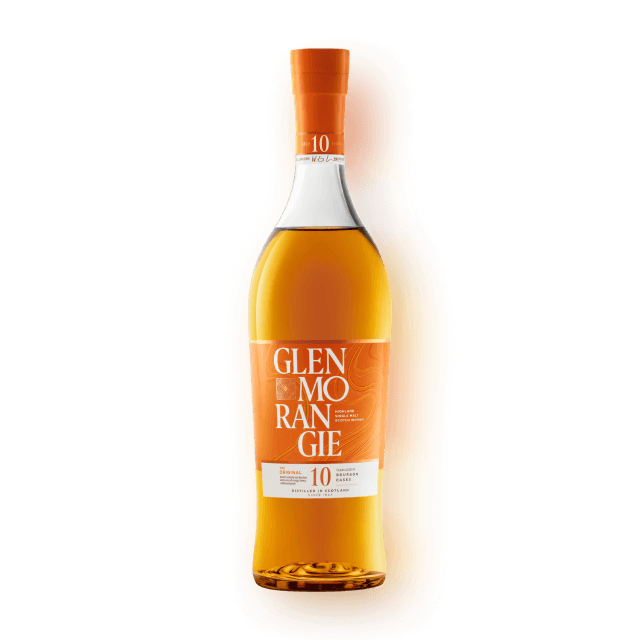
A light, floral single malt off the tallest stills in Scotland.
Glenmorangie's secret is the height of its stills. It uses some of the tallest in Scotland, and the longer the neck, the less the heavier compounds can climb — only the lighter, fragrant ones make it over. That's why the spirit has a light, bright character of flowers, citrus and peach.
A common misreading: light doesn't mean weak in flavour. If anything, Glenmorangie is famous for its skill with wood. Led by Dr Bill Lumsden, the distillery is expert at designing aroma through which casks it uses and for how long, and effectively led the cask-finishing trend.
The baseline is the "Original" 10. Easy-going and bright, it suits people who find a heavy sherry bomb too much. Once you're comfortable, there's real fun in comparing the finishes — Sauternes (Nectar d'Or), sherry (Lasanta), port (Quinta Ruban).
Glenmorangie leans less on Macallan-style collector prices than on showing a range of cask finishes at sensible money. Ultra-aged limited bottlings like Pride 1974 fetch thousands of pounds, but the brand's centre of gravity is the core and finished lines anyone can reach.
Prices are rough duty-free / retail · not a personal tasting
Glenmorangie's identity is lightness. The tallest stills in Scotland filter out the heavy, oily compounds, leaving a delicate peach-and-citrus spirit. Bourbon casks of its own design add vanilla and honey, and sherry, port and sauternes finishes shift the grain. Dr Bill Lumsden has long led this cask experimentation.
William Matheson set up the distillery in 1843 on the site of an old brewery in Tain, in the northern Highlands. Tall second-hand stills, originally meant for another purpose, happened to give Glenmorangie its signature lightness. In 2004 the French luxury group LVMH (Moët Hennessy) bought it, placing it alongside Islay's Ardbeg.
In Korea, Glenmorangie reads as a soft, floral entry single malt. The light fruit of the Original 10 is approachable, and Lasanta and Quinta Ruban let drinkers compare sherry against port finishes. For anyone put off by heavy sherry or peat, it's a gentle starting point.
Its delicate, floral nose suits an aroma-gathering Glencairn or copita. The Original and Lasanta sit in the low 40s, so neat is plenty; a drop of water opens a closed nose. Because the aromas are light, a big ice cube shuts them down. Richer lines like Signet repay slow nosing in the glass.
Sources · Production & range — glenmorangie.com · Product image — Glenmorangie